
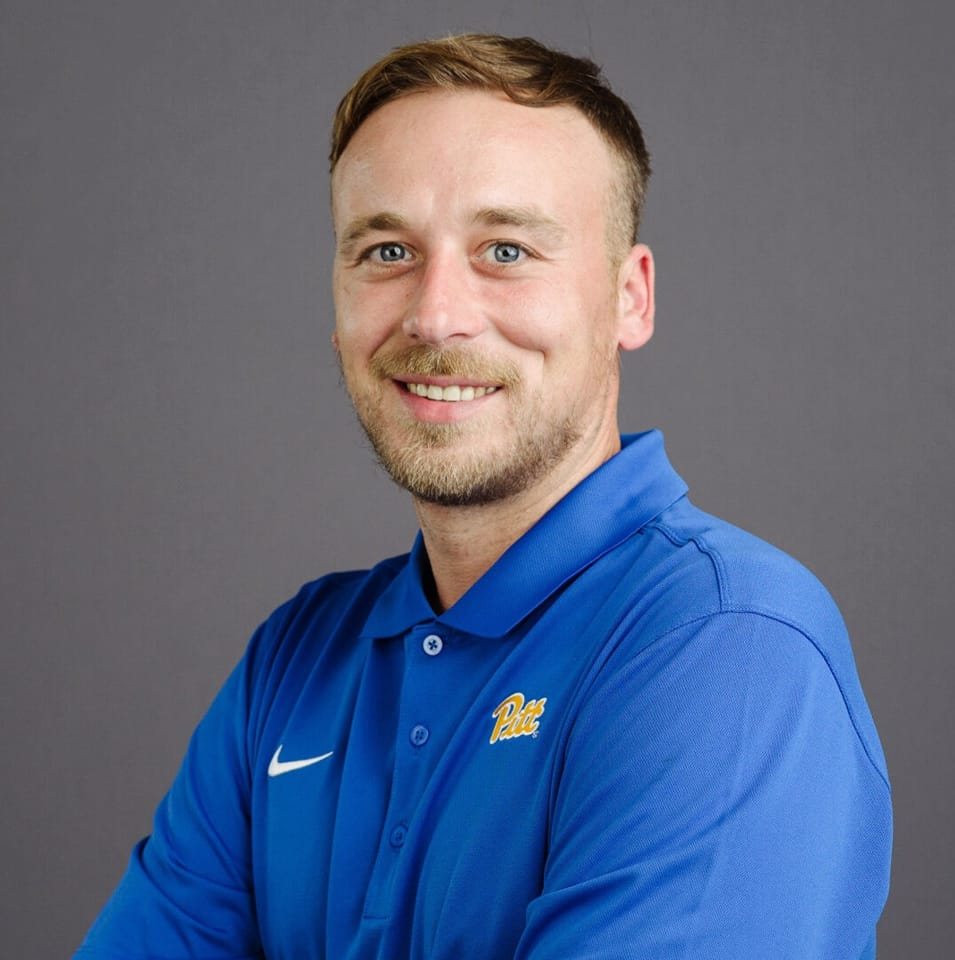
I’m the founder of the Modern Recovery Alliance. I built MRA because I believe recovery is not a single road but a wide field of paths. People deserve support that fits their needs and room to shape what a better life means for them. For far too long, too many people have felt they don’t have a recovery home unless they conform to one specific way of getting better. I also see the mental health, PTSD, and trauma communities fighting many of the same battles. We can do better at getting better together.
I founded MRA to put mutual aid and community-based solutions into practice, because I believe we’ve become too disconnected from them. I wanted to bring harm reduction, science, community, and love for one another under one umbrella that can evolve as we do. I may have founded MRA, but I want us to build and shape it together. This is ours.
This project is possible because of Ellie, a beautiful girl who passed away on November 15, 2022. If it helps even one person, or saves just one life, it will fulfill one of my greatest wishes: for the positive energy Ellie brought into this world to keep doing good, even after her death.
We are not asking anyone to abandon what works for them. We are asking for room. Room for the person who needs medication and community. Room for the person who was harmed by a meeting and still wants connection. Room for the person who is not ready for abstinence but is ready for a safer day.
The substantial evidence that Alcoholics Anonymous and twelve-step facilitation can help people with alcohol use disorder is real and deserves respect. [1] So do the experiences of people who find a particular group or approach unhelpful, excluding, or unsafe. Taking those experiences seriously makes recovery support more responsive to the people it is meant to serve.
People taking medications for opioid use disorder have reported stigma in twelve-step settings, including being discouraged from speaking, refused sponsorship, or denied recognition of recovery time. A study based on 30 interviews documented these experiences without establishing how common they are. [2] In a recent perspective, physicians writing from clinical and recovery experience put the principle plainly: “True sobriety should not require choosing between medication and belonging.” [3]
Safety deserves the same attention. A 2003 survey of 55 women with AA experience documented unwanted sexual conduct. Its small, nonrepresentative sample cannot tell us the prevalence across AA, but the reports deserve a response. [4] Research with former NA members also describes experiences of shame and a recovery identity that felt limiting, alongside recognition of NA’s value. [5] These findings do not describe every meeting. They are reasons to listen carefully when someone says a setting is wrong for them.
Marc Lewis’s work helps me think about what another approach could offer. He emphasizes addiction as a process of learning and development, shaped by motivation and experience. [6] His rejection of the disease model remains debated; it is not an established scientific verdict. [7] Nor does a learning model mean a person can simply erase addiction. Older patterns can persist while new responses develop. [8] Change may require medical care, safer circumstances, and sustained support. What I take from Lewis is the importance of agency and the capacity to change, without turning difficulty into a personal failure.
There is also evidence supporting a wider choice of mutual-help groups. A study published online in 2025 pooled two U.S. cohorts, following 1,152 participants with lifetime alcohol use disorder for up to 12 months. It found results consistent with comparable alcohol outcomes among people attending SMART Recovery, LifeRing, Women for Sobriety, and twelve-step groups. [9] Participants chose their groups, so the findings do not prove equal effectiveness. They also do not establish results for every addiction or demonstrate that MRA works. They do strengthen the case for making alternatives available and studying them seriously.
This is the community MRA seeks to build: a place where people battling addiction, alcoholism, mental health struggles, or health issues can support one another, informed by modern medicine, science, mutual aid, and lived experience. We welcome people who have felt they did not have a recovery home unless they were completely abstinent. You do not have to be sober to start. The starting point is wanting your life to be better, however that looks for you. Someone using medication, pursuing abstinence, or beginning with harm reduction should be able to find connection without defending their worth.
Among our core principles is the belief that different people need different paths. Abstinence, prescribed medication, harm reduction, therapy, and mutual aid can belong together. Progress is larger than a single measure: health, safety, housing, relationships, and purpose can matter alongside substance-use goals. Your rank is not measured by days. A number does not define someone’s worth. Dignity is unconditional; respect does not depend on abstinence, a diagnosis, a compelling story, or useful labor. And safety needs accountable action, with clear boundaries, prepared hosts, accessible reporting, and protection against retaliation. These principles have to guide how we build the community.
One planned way to participate is simple and voluntary. A member might choose a personal goal, such as making a healthcare appointment, then reflect on what helped or got in the way. In a future peer discussion, they could share only what they want and hear how others have approached similar difficulties. They could change the goal or keep the reflection private. This is an example of the peer support we want to develop, not a tested clinical method or an activity already running.
MRA is still a community in formation. Today, we have community information and a working personal-goal app. Our peer meetings and Support Squad have not opened. MRA does not provide clinical care or overdose monitoring. The work ahead includes turning our principles into practices that people can understand, question, and help improve.
That is the invitation. Read what we are building, question the principles, propose changes, and help shape the community from the beginning. You can value AA or NA and still want more options. You can need another path and still deserve connection. Recovery looks different for every person, and our community should look like it.